Reasonable Energy Abundant and Affordable Energy for Cascadia
Topic

electricity

TomSteyer49559849691
Image by Gage Skidmore at Wikimedia Commons: https://commons.wikimedia.org/wiki/File:Tom_Steyer_(49559849691).jpg

Tom Steyer’s Affordable Energy Promises to California Are Unaffordable

Tom Steyer, the billionaire climate activist running for California governor, promises to cut electric bills by 25 percent by breaking up big utility companies like PG&E and Southern California Edison. In his ads, he boasts about fighting oil and gas companies, like when he helped kill Proposition 23 back in 2010. But here’s the problem: California’s economy runs 84 percent on fossil fuels. It powers our cars (mostly petroleum), factories, homes for heating (mostly natural gas), and even backs up our electricity (gas plants fill the gaps). Steyer’s war on these companies ignores simple supply-and-demand math, making his bill-cutting talk ring hollow. My Southern California Edison (SCE) bill during winter rates are 25 cents per kilowatt-hour off-peak, spiking to 59 cents during peak hours Read More ›

power-plant-with-nyc-buildings-in-background-stockpack-adobe-5345240-stockpack-adobestock
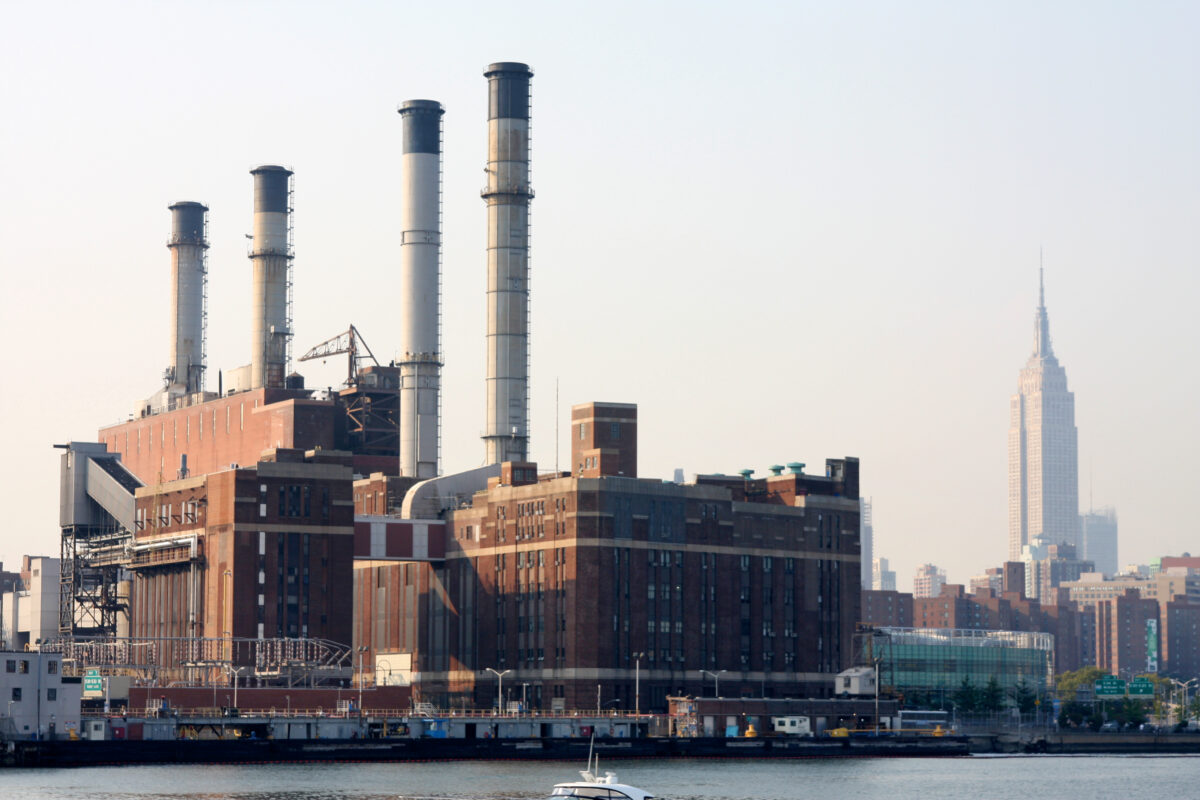
power plant with nyc buildings in background
Image Credit: Dan Talson - Adobe Stock

New York’s Green Energy Fantasy Continues

New York’s recently released Draft 2025 Energy Plan is rooted in fantasy. The plan asserts that the Empire State’s electrification and zero-emissions obsession will reduce energy costs, fight climate change, and create over 60,000 net new jobs by 2035. In reality, while the plan won’t meaningfully affect the climate, it will devastate consumers and New York’s economy. The plan asks New Yorkers to ignore the realities before their eyes—including surging energy costs. ConEd, the state’s largest electric and gas utility, has requested double-digit rate increases for its provision of electricity and natural gas, which will cost consumers an additional $2 billion annually. National Grid has filed for similar rate increases upstate. Those requested hikes are solely for natural gas and Read More ›

team-of-engineers-and-technicians-working-on-photovoltaic-so-976622688-stockpack-adobestock
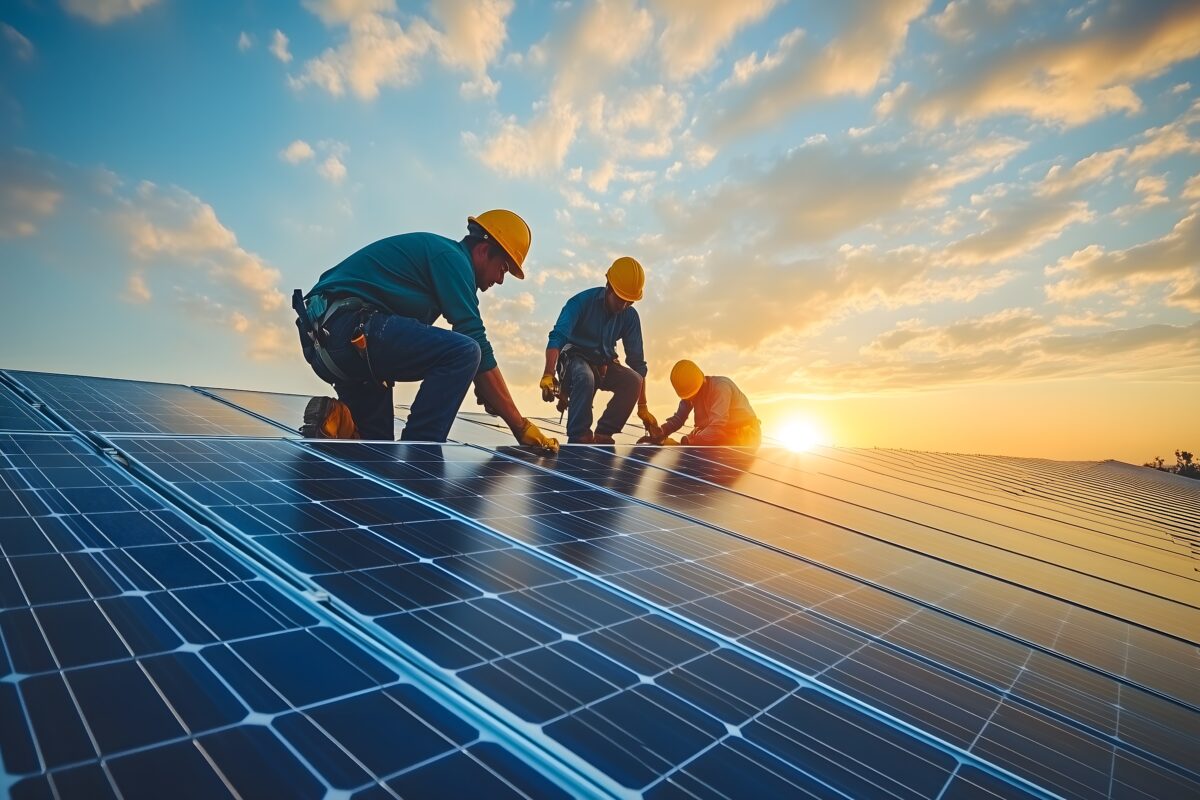
Team of engineers and technicians working on photovoltaic solar power plant
Image Credit: nuiiko - Adobe Stock

Yet Another Misleading Report on “Low-Cost” Wind and Solar

In a just-released report, the International Renewable Energy Agency (IRENA) claims that renewable energy is the most cost-competitive source of new electricity generation worldwide. The report further claims that “91% of new renewable power projects commissioned last year were more cost-effective than any new fossil fuel alternative” based on levelized costs, which can be thought of as the energy equivalent of a fixed mortgage. If those claims sound too good to be true, it’s because they are. IRENA’s boasts ignore a fundamental reality: the intermittent electricity generated from wind and solar is fundamentally different than electricity generated by traditional generating resources that are not subject to the whims of the weather. In the U.S., the Energy Information Administration (EIA) makes the Read More ›

before-sunrise-solar-power-plants-stockpack-adobe-stock
Before sunrise solar power plants
Image Credit: 一飞 黄 - Adobe Stock

Do Green Energy Subsidies Work?

Like the Jeopardy! game show, green energy subsidies have been Congress’ answer to every energy policy question. The first OPEC oil embargo of 1973-74 catalyzed decades of energy policy, including the formation of the Department of Energy. Wind, solar, and hydropower subsidies began in earnest with the Public Utilities Regulatory Policy Act of 1978. Similarly, subsidies for corn-based ethanol were enacted as part of the National Energy Conservation Policy Act of 1978. Both were designed to reduce the country’s dependence on Middle East oil. The PURPA subsidies set off a race by independent developers to construct small generating plants whose output electric utilities were required to purchase at administratively set prices. In some cases, the subsidies were independent of how much Read More ›

high-voltage-electricity-tower-sky-sunset-landscapeindustrial-background-stockpack-adobe-stock
High voltage electricity tower sky sunset landscape,industrial background.
Image Credit: ABCDstock - Adobe Stock

Electrification Without the Infrastructure

As state and federal policies mandate the electrification of virtually all end uses to reduce carbon emissions from fossil fuels. For example, 18 states have adopted California’s Advanced Clear Car II rules requiring increasing percentages of new vehicle sales to be EVs, reaching 100% for the 2035 model year. In 2019, New York City enacted Local Law 97, which requires all residential buildings larger than 25,000 square feet to convert to electricity by 2035. Other states, such as New Jersey seek to convert all residential heating to electricity. Together, mandates for electric vehicles (EVs) and electrification of space and water heat will likely double electricity consumption and peak demand. Coupled with policies that mandate supplying the nation’s electricity with zero-emissions resources, notably intermittent Read More ›