Reasonable Energy Abundant and Affordable Energy for Cascadia
Topic

net zero energy

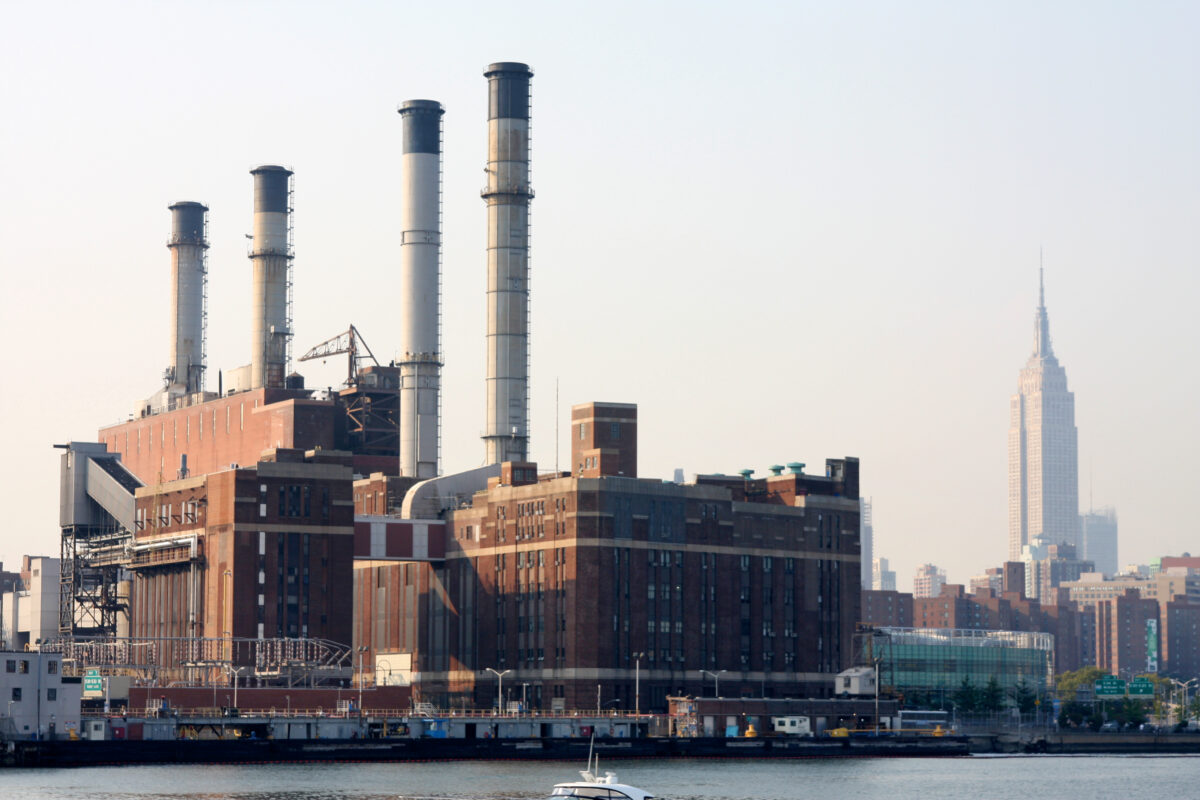
power-plant-with-nyc-buildings-in-background-stockpack-adobe-5345240-stockpack-adobestock
power plant with nyc buildings in background
Image Credit: Dan Talson - Adobe Stock

New York’s Green Energy Fantasy Continues

New York’s recently released Draft 2025 Energy Plan is rooted in fantasy. The plan asserts that the Empire State’s electrification and zero-emissions obsession will reduce energy costs, fight climate change, and create over 60,000 net new jobs by 2035. In reality, while the plan won’t meaningfully affect the climate, it will devastate consumers and New York’s economy. The plan asks New Yorkers to ignore the realities before their eyes—including surging energy costs. ConEd, the state’s largest electric and gas utility, has requested double-digit rate increases for its provision of electricity and natural gas, which will cost consumers an additional $2 billion annually. National Grid has filed for similar rate increases upstate. Those requested hikes are solely for natural gas and Read More ›

solar-panels-and-wind-power-generation-equipment-stockpack-a-276818517-stockpack-adobestock
Solar panels and wind power generation equipment
Image Credit: hrui - Adobe Stock

Donnelly: Study Sobering Look at Cost of Electrification

The following opinion piece, by Ann Donnelly originally published in The Columbian, reviews the findings of our report, “The Crippling Costs of Electrification and Net Zero Energy Policies in the Pacific Northwest.” Read the report here and watch the documentary here. Oregon’s and Washington’s legislatures have passed electrification mandates, with deadlines for net-zero emissions by 2040 in Oregon and 2030 in Washington, and for carbon-free emissions by 2040 in Oregon and 2045 in Washington. But what will these mandates cost? Until now, we haven’t known. We finally have an educated estimate, based on sound modeling, transparent methodology and reasonable assumptions. But the sponsors of the study are not those responsible for knowing the answer, such as state policymakers, Bonneville Power Read More ›

Screenshot-2025-06-05-085046

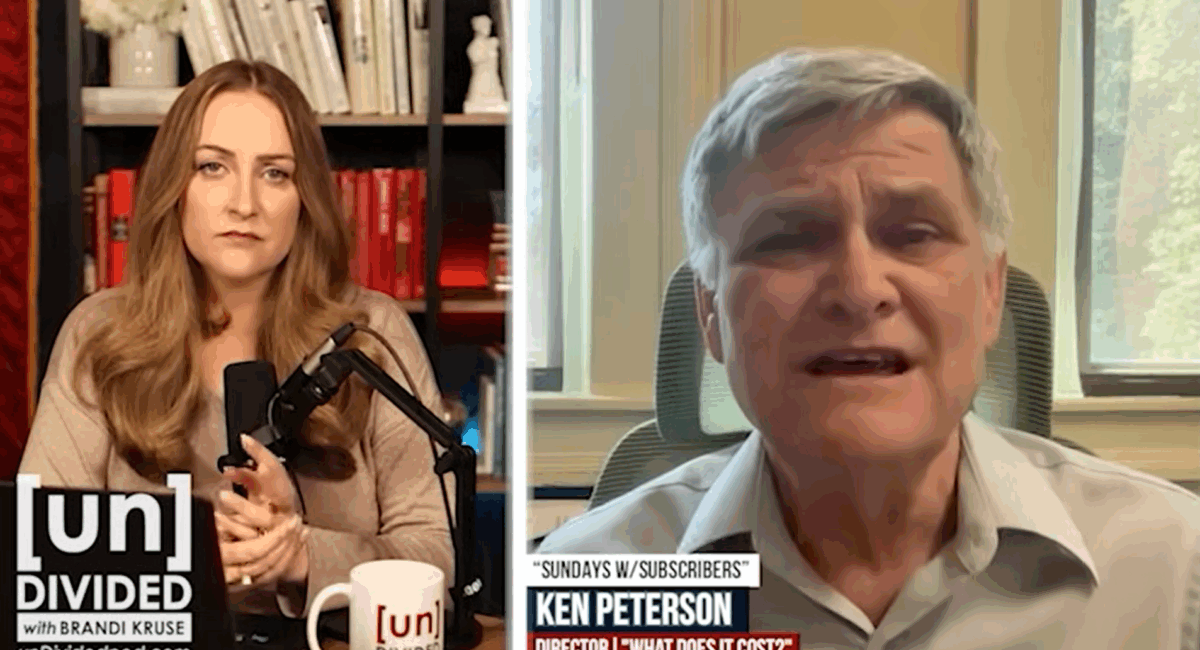
Ken Peterson Talks with Brandi Kruse About “What Does It Cost?” Documentary

In April, Ken Peterson appeared on [un]Divided’s Sundays with Subscribers, hosted by Brandi Kruse. In this teaser, Peterson and Kruse discuss the land mass that wind and solar would require in the Pacific Northwest and the infinitesimal effects net zero energy policies will have on global climate. Watch “What Does It Cost?” below:

Untitled-design-4

Ken Peterson Talks Crippling Costs of Net Zero Energy on The Jason Rantz Show

On April 25, Ken Peterson, director of the new documentary “What Does It Cost?“, appeared on The Jason Rantz Show to discuss the crippling costs of net zero energy. In this 10-minute segment, Peterson explains how net zero energy policies in the Pacific Northwest will have a devastating effect on taxpayers’ wallets while only having an infinitesimal effect on the global climate. Watch “What Does It Cost?” below:

concept-depicting-new-possibilities-for-the-development-of-e-457142876-stockpack-adobe_stock
Concept depicting new possibilities for the development of ecological battery technologies and green energy storage in the form of a battery-shaped pond located in a lush forest. 3d rendering.
Image Credit: malp - Adobe Stock

Wind, Solar, Batteries: The High Cost of Duplicative Energy

The following piece by Bill Peacock, originally published at Master Resource, references Senior Fellow Jonathan Lesser’s report, “The Crippling Costs of Electrification and Net Zero Energy Policies in the Pacific Northwest,” co-authored with Mitchell Rolling. You can read that report here. “The data make it clear that the only possible rationale for renewable energy—making significant reductions of CO2 emissions—cannot be achieved. The costs of attempting to do this are already imposing heavy costs on economies across the world.” By the 1800s, wind and solar were both mature and successful technologies. Yet as soon as Western society developed the wealth and technology to take advantage of fossil fuels, they were discarded—along with batteries for electric cars—with no place in the modern Read More ›