Reasonable Energy Abundant and Affordable Energy for Cascadia

Articles | Reasonable Energy

pdxreal-why-utilities-cost-more-thumbnail

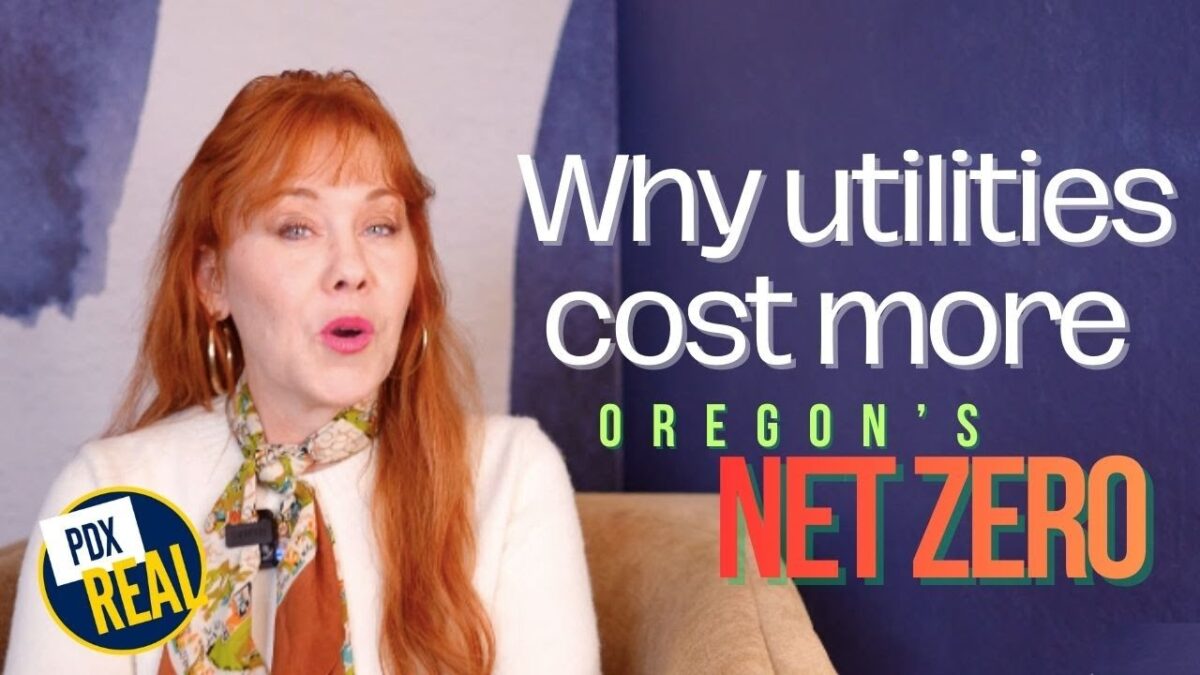
Why Utilities Cost More: Oregon’s Net Zero

Discovery Institute recently partnered with Angela Todd of PDXReal in Portland, Oregon, to examine the catastrophic impacts of Net Zero policies bearing down on Washington and Oregon. See her latest report below. For more information on net zero policies in the Pacific Northwest, and their harmful consequences, please see:

TomSteyer49559849691
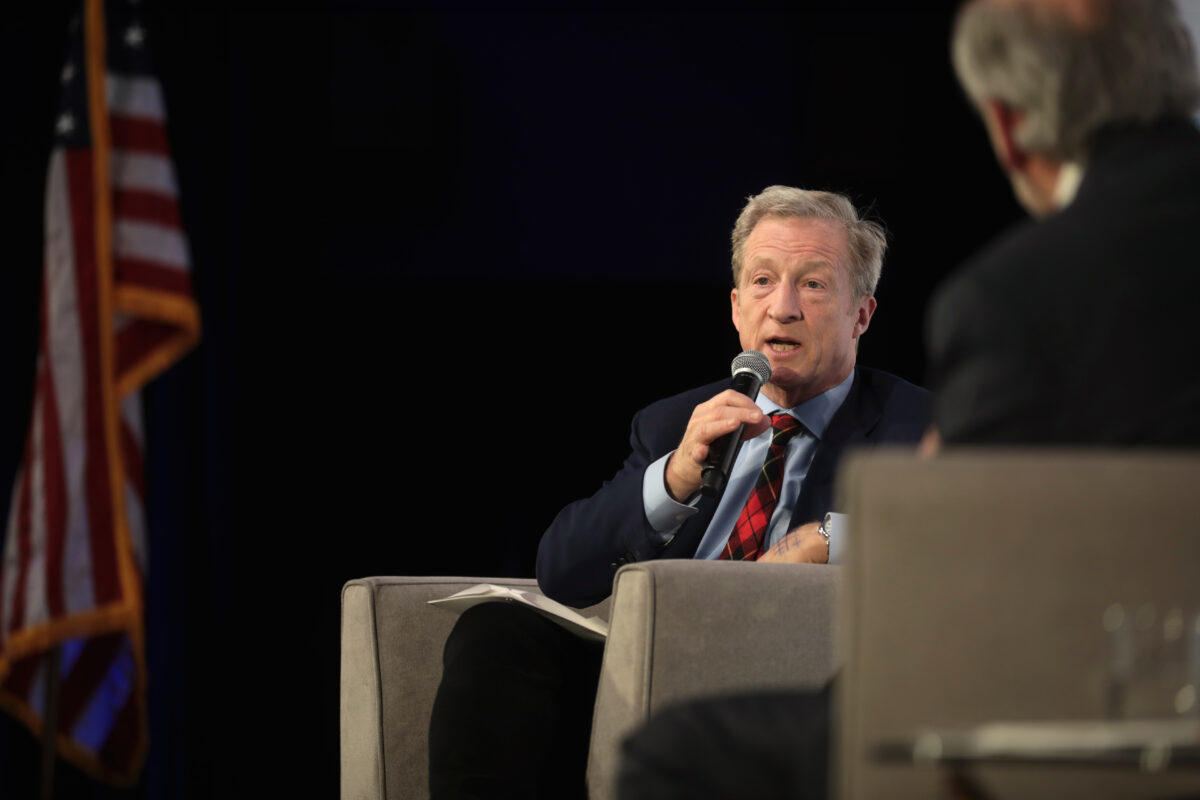
Image by Gage Skidmore at Wikimedia Commons: https://commons.wikimedia.org/wiki/File:Tom_Steyer_(49559849691).jpg

Tom Steyer’s Affordable Energy Promises to California Are Unaffordable

Tom Steyer, the billionaire climate activist running for California governor, promises to cut electric bills by 25 percent by breaking up big utility companies like PG&E and Southern California Edison. In his ads, he boasts about fighting oil and gas companies, like when he helped kill Proposition 23 back in 2010. But here’s the problem: California’s economy runs 84 percent on fossil fuels. It powers our cars (mostly petroleum), factories, homes for heating (mostly natural gas), and even backs up our electricity (gas plants fill the gaps). Steyer’s war on these companies ignores simple supply-and-demand math, making his bill-cutting talk ring hollow. My Southern California Edison (SCE) bill during winter rates are 25 cents per kilowatt-hour off-peak, spiking to 59 cents during peak hours Read More ›

power-plant-with-nyc-buildings-in-background-stockpack-adobe-5345240-stockpack-adobestock
power plant with nyc buildings in background
Image Credit: Dan Talson - Adobe Stock

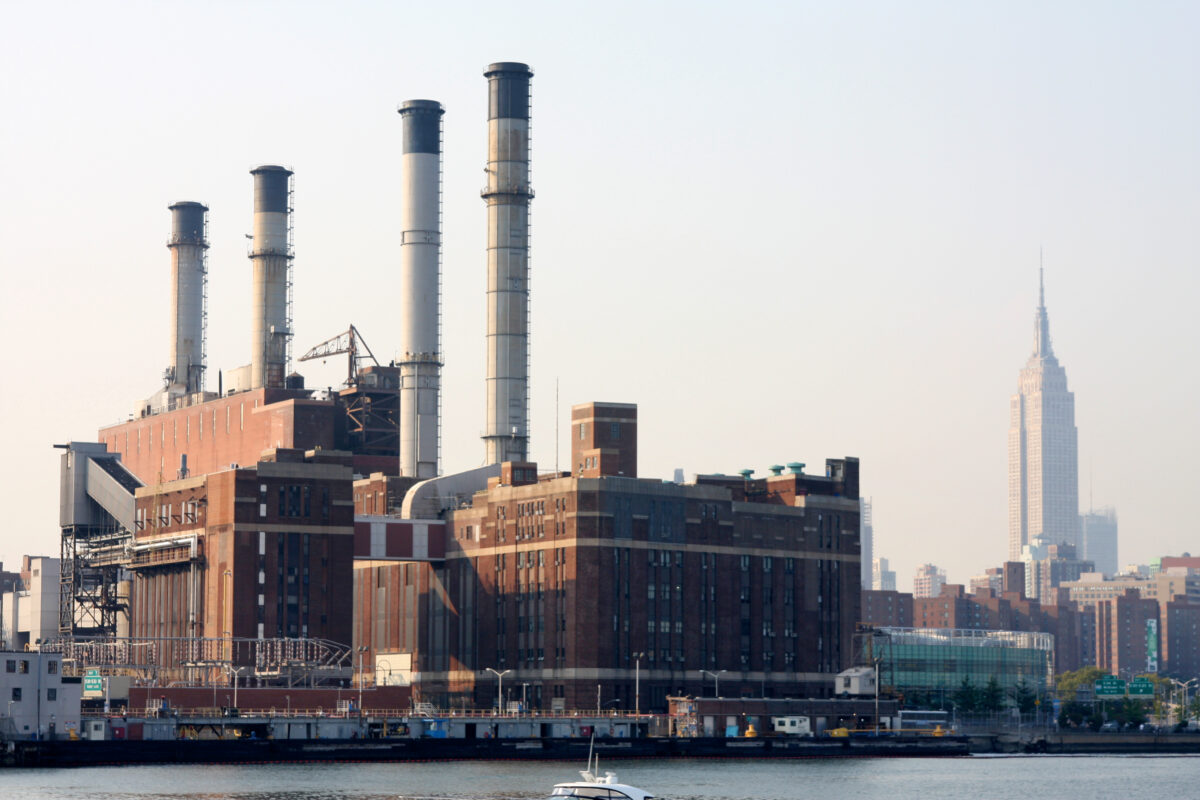
New York’s Green Energy Fantasy Continues

New York’s recently released Draft 2025 Energy Plan is rooted in fantasy. The plan asserts that the Empire State’s electrification and zero-emissions obsession will reduce energy costs, fight climate change, and create over 60,000 net new jobs by 2035. In reality, while the plan won’t meaningfully affect the climate, it will devastate consumers and New York’s economy. The plan asks New Yorkers to ignore the realities before their eyes—including surging energy costs. ConEd, the state’s largest electric and gas utility, has requested double-digit rate increases for its provision of electricity and natural gas, which will cost consumers an additional $2 billion annually. National Grid has filed for similar rate increases upstate. Those requested hikes are solely for natural gas and Read More ›

team-of-engineers-and-technicians-working-on-photovoltaic-so-976622688-stockpack-adobestock
Team of engineers and technicians working on photovoltaic solar power plant
Image Credit: nuiiko - Adobe Stock

Yet Another Misleading Report on “Low-Cost” Wind and Solar

In a just-released report, the International Renewable Energy Agency (IRENA) claims that renewable energy is the most cost-competitive source of new electricity generation worldwide. The report further claims that “91% of new renewable power projects commissioned last year were more cost-effective than any new fossil fuel alternative” based on levelized costs, which can be thought of as the energy equivalent of a fixed mortgage. If those claims sound too good to be true, it’s because they are. IRENA’s boasts ignore a fundamental reality: the intermittent electricity generated from wind and solar is fundamentally different than electricity generated by traditional generating resources that are not subject to the whims of the weather. In the U.S., the Energy Information Administration (EIA) makes the Read More ›

seattle-waterfront-and-skyline-at-dusk-with-gold-light-stock-122288999-stockpack-adobestock
Seattle waterfront and skyline at dusk with gold light
Image Credit: Crin - Adobe Stock

King County’s Strategic Climate Action Plan: Your Taxpayer Dollars Wasted

On June 11, King County Executive Dow Constantine dropped the 735-page 2025 King County Strategic Climate Action Plan (SCAP) onto the desks of the King County Council members. SCAP shows that wasting taxpayer dollars on useless plans filled with what our neighbors to the north call “bafflegab” is alive and well. SCAP proposes myriad actions for the County to “reduce GHG emissions, center frontline communities, and prepare for climate change impacts” based on nonsensical claims about rising sea levels and rising temperatures, neither of which is supported by actual data. It is heavy on buzz phrases like “climate equity,” but short on actual analysis. Most importantly, SCAP doesn’t include any estimates of what the County intends to spend, nor any Read More ›

solar-panels-and-wind-power-generation-equipment-stockpack-a-276818517-stockpack-adobestock
Solar panels and wind power generation equipment
Image Credit: hrui - Adobe Stock

Donnelly: Study Sobering Look at Cost of Electrification

The following opinion piece, by Ann Donnelly originally published in The Columbian, reviews the findings of our report, “The Crippling Costs of Electrification and Net Zero Energy Policies in the Pacific Northwest.” Read the report here and watch the documentary here. Oregon’s and Washington’s legislatures have passed electrification mandates, with deadlines for net-zero emissions by 2040 in Oregon and 2030 in Washington, and for carbon-free emissions by 2040 in Oregon and 2045 in Washington. But what will these mandates cost? Until now, we haven’t known. We finally have an educated estimate, based on sound modeling, transparent methodology and reasonable assumptions. But the sponsors of the study are not those responsible for knowing the answer, such as state policymakers, Bonneville Power Read More ›
Screenshot-2025-06-05-085046

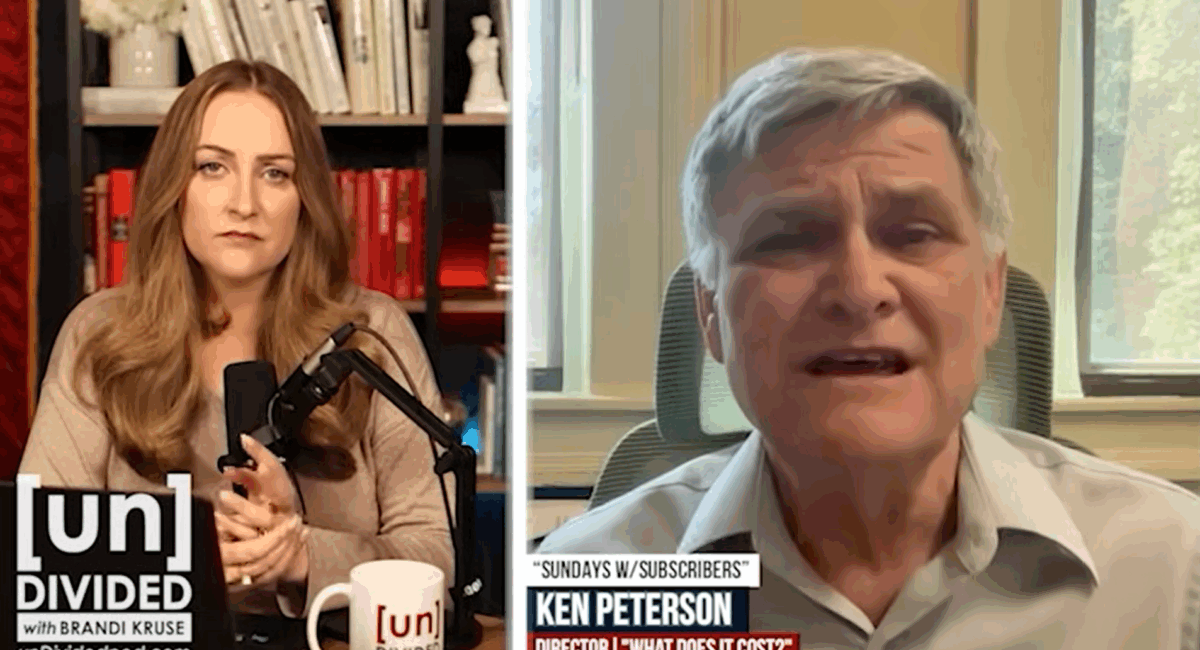
Ken Peterson Talks with Brandi Kruse About “What Does It Cost?” Documentary

In April, Ken Peterson appeared on [un]Divided’s Sundays with Subscribers, hosted by Brandi Kruse. In this teaser, Peterson and Kruse discuss the land mass that wind and solar would require in the Pacific Northwest and the infinitesimal effects net zero energy policies will have on global climate. Watch “What Does It Cost?” below:

Untitled-design-4

Ken Peterson Talks Crippling Costs of Net Zero Energy on The Jason Rantz Show

On April 25, Ken Peterson, director of the new documentary “What Does It Cost?“, appeared on The Jason Rantz Show to discuss the crippling costs of net zero energy. In this 10-minute segment, Peterson explains how net zero energy policies in the Pacific Northwest will have a devastating effect on taxpayers’ wallets while only having an infinitesimal effect on the global climate. Watch “What Does It Cost?” below:

President-Trump-delivers-remarks-Pennsylvania-US-steel-Wikim
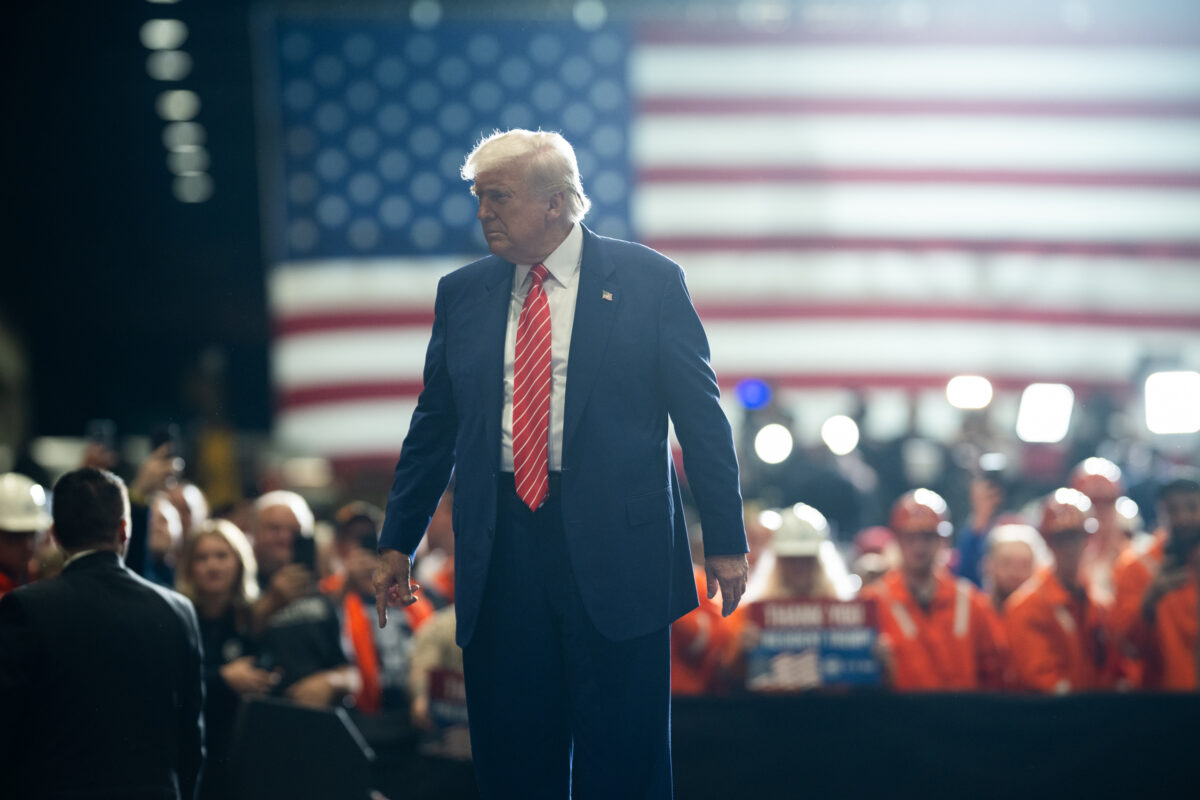
President Donald Trump delivers remarks on a partnership deal with U.S. Steel and Nippon Steel at the U.S. Steel Corporation-Irvin Works in West Mifflin, Pennsylvania, Friday, May 30, 2025. (Official White House Photo by Daniel Torok)
Public Domain image from the White House at Wikimedia Commons: https://commons.wikimedia.org/wiki/File:P20250530DT-1172_President_Donald_Trump_delivers_remarks_on_a_partnership_deal_for_U.S._Steel_in_Pennsylvania.jpg

Trump’s Budget Bill Cuts Off the Green-Energy Cash Spigot — And It’s About Time

Whether it's tax credits or long-term contracts that force ratepayers to pay above-market prices for these intermittent energy resources, the pro-subsidy crowd ignores economic reality. Sure, subsidizing an industry or an individual firm can "create" jobs — but those subsidies must be paid for by someone. We pay in the form of soaring electricity rates. Read More ›
smoke-from-factory-chimney-pollution-and-carbon-capture-tech-533773484-stockpack-adobestock
Smoke from factory chimney. Pollution and carbon capture technology concept.
Image Credit: Jon Anders Wiken - Adobe Stock

The Social Cost of Carbon: A Flawed Measure for Energy Policy

The following report by Jonathan Lesser was originally published at the National Center for Energy Analytics. You can view the original publication here. Executive Summary There is a deep problem with one of the core concepts in the rationale for regulating carbon dioxide. It’s called the “social cost of carbon” (SCC). As a concept, SCC has some theoretical merit. However, it should not be used for making energy policy choices. The SCC can vary by orders of magnitude, depending on the research model. Moreover, it is often divorced from underlying scientific or economic principles, reflecting instead the assumptions and preferences of the modelers. Yet the SCC is used to justify staggeringly expensive regulations and mandates. Set aside the ongoing debate Read More ›